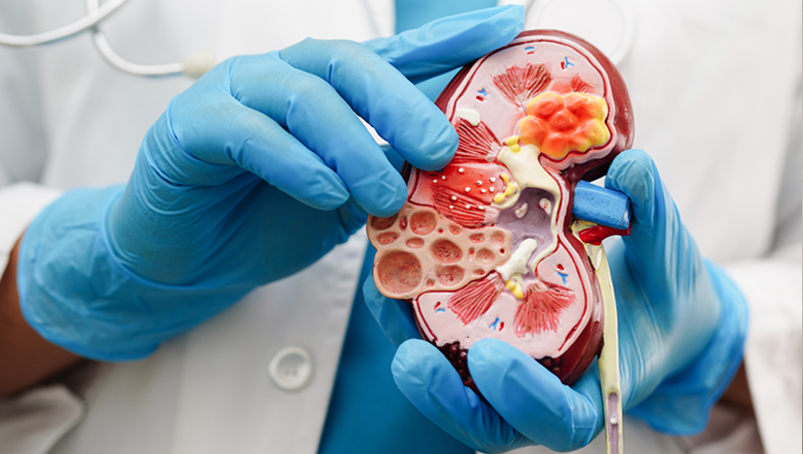
Acute Kidney Disease/Acute Kidney Injury
What is acute kidney disease?
Acute kidney disease, alternatively labelled as acute kidney injury (AKI), denotes an abrupt and swift deterioration in kidney functionality. This state is marked by a rapid decrease in the kidney's capacity to strain out waste materials and surplus liquids from the bloodstream.
The origins of acute kidney disease can stem from a range of influences, encompassing dehydration, severe infections, medications, trauma, and ailments that impede blood circulation to the renal organs.
What are the common symptoms of acute kidney disease?
The symptoms of acute kidney disease may differ based on the root cause and the extent of the seriousness of the condition. Some of the common symptoms include:
- Decreased urine output: One of the hallmark signs of acute kidney disease is a significant decrease in urine output. This can range from producing very little urine to complete cessation of urine.
- Fluid retention: As the kidneys struggle to remove excess fluids from the body, fluid retention can occur. This may manifest as swelling in the legs, ankles, and face.
- Fatigue: The buildup of waste products in the bloodstream can lead to fatigue and a general feeling of weakness.
- Shortness of breath: Excess fluid in the body, particularly in the lungs, can result in difficulty breathing and shortness of breath.
- Confusion and altered mental status: The accumulation of toxins in the bloodstream can affect brain function, leading to confusion, disorientation, and even coma in severe cases.
- Nausea and vomiting: Nausea, vomiting, and loss of appetite are common symptoms due to the body's inability to effectively eliminate waste products.
- High blood pressure: Acute kidney disease can sometimes cause a sudden increase in blood pressure.
How do you treat acute kidney disease?
The treatment approach for acute kidney disease aims to address the underlying causes, support kidney function, and prevent complications. Fluid and electrolyte balance is carefully managed through hydration and, when necessary, intravenous fluids. Medications contributing to kidney injury are reviewed and adjusted. Nutritional support and dietary adjustments are implemented to aid kidney function. Treating underlying conditions, such as infections or circulatory issues, is crucial. In severe cases, dialysis might be employed to help the kidneys filter waste products and excess fluids from the bloodstream. Regular monitoring of kidney function and overall health guides the treatment plan's adjustments and ensures the best possible outcomes for patients.