Post-Kidney Transplant Care
What is post-kidney transplant care?
Post-kidney transplant care refers to the comprehensive medical and lifestyle management that patients require after undergoing a kidney transplant. This specialised care aims to ensure the success of the transplant by monitoring the patient's health, preventing complications, and promoting long-term graft survival.
When is post-kidney transplant care indicated?
Post-kidney transplant care is indicated immediately after a patient receives a kidney transplant. It is an essential phase that follows the surgical procedure and continues for the rest of the patient's life. This care is crucial to help the recipient's body accept the new kidney, prevent organ rejection, and maintain overall well-being.
What does post-kidney transplant care involve?
- Immunosuppressive medications: Patients will be prescribed immunosuppressive medications to prevent the immune system from attacking the transplanted kidney. Adhering to the prescribed medication regimen is crucial to maintain the balance between preventing rejection and minimising side effects.
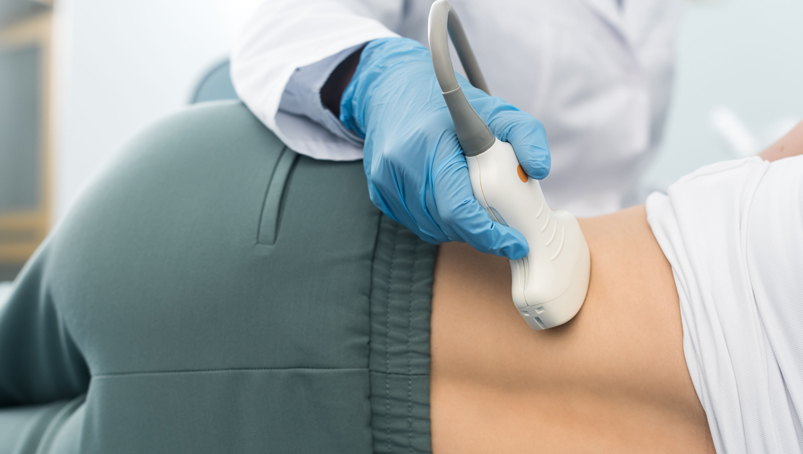
- Regular medical monitoring: Patients will have regular follow-up appointments with their nephrologist to monitor kidney function, medication levels, and overall health. Blood tests will be conducted to assess kidney function and to ensure that immunosuppressive medications are at appropriate levels.
- Lifestyle modifications: Adopting a healthy lifestyle is essential. Patients should maintain a balanced diet, engage in regular exercise, manage stress, and avoid smoking and excessive alcohol consumption. These lifestyle changes contribute to the overall success of the transplant.
- Infection prevention: Immunosuppressive medications can increase the risk of infections. Patients should practice good hygiene, receive recommended vaccinations, and avoid contact with individuals who are ill.
- Blood pressure management: Maintaining healthy blood pressure levels is crucial for kidney health. Regular monitoring and adherence to prescribed medications are important to prevent high blood pressure, which can negatively impact the transplanted kidney.
- Dietary guidelines: Patients may receive specific dietary recommendations to ensure they are getting adequate nutrients while also avoiding foods that might interact negatively with their medications.
- Psychosocial support: The emotional and psychological well-being of transplant recipients is important. Support groups, counselling, and close communication with the healthcare team can help patients navigate the challenges of the post-transplant journey.
- Monitoring for complications: While the goal is a successful transplant, complications can arise. Regular monitoring can help detect any issues early, allowing for timely intervention.
- Transplant rejection awareness: Patients will be educated about the signs of transplant rejection, such as changes in urine output, swelling, fever, or increased blood pressure. Prompt reporting of these symptoms to the medical team is essential.
- Long-term follow-up: Post-kidney transplant care is a lifelong commitment. Even as the years pass, patients will continue to have periodic check-ups to ensure the ongoing health and function of the transplanted kidney.
FAQ
How can I prevent infections after transplant?
Immunosuppressive medications can weaken your immune system. To prevent infections, practice good hygiene, get recommended vaccinations, and avoid close contact with sick individuals. If you notice signs of infection, contact your healthcare team promptly.
Will I need to manage my blood pressure after the transplant?
Yes, maintaining healthy blood pressure is essential for kidney health. Your healthcare team will monitor your blood pressure and may prescribe medications or recommend lifestyle changes to keep it in a healthy range.
What should I do if I suspect kidney transplant rejection?
If you experience symptoms such as changes in urine output, swelling, fever, increased blood pressure, or just don't feel well, contact your healthcare team immediately. Prompt action can help manage rejection and prevent complications.